
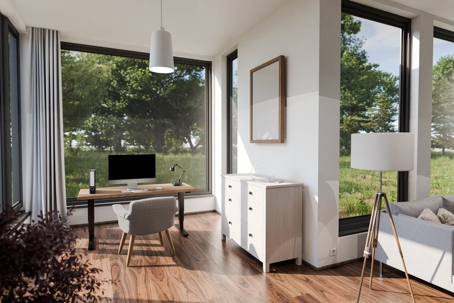
Designing a home office in Las Vegas requires more than picking a desk and placing it near a window. In our city, relentless heat, intense sunlight, variable home layouts, and persistent urban sound all influence how comfortable and productive a workspace can be. At J&J Contracting, we know firsthand how the right planning, materials, and design choices can make working from home in Las Vegas far more rewarding. Let’s explore solutions and strategies specific to creating a home office that works for your needs—and for our city’s unique demands.
Why Do Las Vegas Home Offices Require Unique Design Considerations?
The climate in Las Vegas shapes every detail of a home—not just energy bills, but comfort, health, and productivity. High summer temperatures and dry air push air conditioning systems to their limit. Homeowners soon learn that placing an office in a sun-filled room can make working through the afternoon uncomfortable, both physically and financially. Planning a home office here means thinking about heat, sunlight, and the way buildings retain or block that heat throughout the day. Every room’s exposure and insulation can make a substantial difference.
In neighborhoods across Las Vegas, the variety of floor plans is striking—some homes feature open-concept spaces, while others include small dens, converted garages, or even casitas. Each type of space presents unique opportunities and limitations for a home office. For example, a detached casita offers privacy but may require upgrades for insulation and connectivity. A remodeled garage can deliver ample space, but may need more soundproofing or climate control to suit all seasons.
Another crucial factor is compliance with community rules. Many homes in the Las Vegas area fall under the governance of strict HOAs, which may limit modifications, color choices, or even the addition of visible structures. Understanding these guidelines ahead of time is essential to avoid fines or forced renovations. At J&J Contracting, our experience navigating these factors provides a real advantage for local clients tackling any home project.
How Can You Keep Your Home Office Cool and Energy Efficient During Las Vegas Summers?
Energy efficiency directly impacts comfort and long-term cost, especially in home offices exposed to intense Las Vegas sun. Addressing insulation is the first step. Upgrading wall and ceiling insulation in your home office helps keep cool air in and hot air out, which is particularly important for converted garages, casitas, or older home additions. Adding or improving weatherstripping to windows and doors seals off drafts, helping maintain a consistent temperature throughout the workday.
Smart window treatments provide an additional line of defense against heat. Dual-pane, low-emissivity (low-E) windows help reflect temperatures while keeping interiors bright. Pairing blackout curtains, thermal shades, or cellular blinds with these windows reduces glare and sun-related heat gain. In rooms that face direct afternoon sunlight, solar shades allow you to filter daylight, minimizing the need for artificial lighting while stopping excessive warmth from seeping indoors.
The materials used for floors and furnishings in a home office can also help with cooling and energy savings. Tile, polished concrete, and light laminate flooring reflect heat and remain cooler than dark carpet or wood. Overhead, programmable ceiling fans and ductless mini-split air conditioning units can efficiently cool the space only when needed, further reducing energy consumption. These strategies combine to make daily work both comfortable and affordable for anyone working at home in Southern Nevada’s climate.
How Should You Handle Natural Light and Glare in a Desert Setting?
Natural light improves mood and productivity in any workspace, but direct exposure in the Las Vegas Valley can become overwhelming. Positioning your desk so your screen is perpendicular to exterior windows prevents glare and eye strain. Avoid placing your monitor directly in front of or behind a window, as this can create blinding reflections or deep shadows that make working uncomfortable.
An effective window covering strategy allows you to control brightness throughout the day. Consider using layered options, such as sheer drapes with blackout curtains, or pleated shades with built-in UV protection. These choices let you fine-tune light input depending on the time and which direction your office faces. Shades that can be adjusted from the top or bottom make it easier to block direct rays while allowing ambient daylight to fill the room.
Paint color and interior plants further refine your workspace. Pale, matte finishes on the walls reflect diffused light, making rooms feel airy without amplifying glare. Succulents, pothos, or snake plants thrive in Nevada’s dry climate and bring relaxing greenery into your workspace. By combining thoughtful desk placement, flexible window coverings, and carefully chosen décor, you create a bright and inviting office that is easy to work in all year.
What are the Best Ways to Minimize Noise and Distractions for a Productive Home Office?
Las Vegas often hums with city noise, from busy streets to late-night activity. Mitigating these distractions in a home office starts with structural updates. Installing a solid-core door, as opposed to a hollow-core model, blocks more noise from the rest of the house or hallway. Weatherstripping or door sweeps add extra protection against sound leaks, delivering audible relief during calls or focused work sessions.
Windows often allow the most noise inside. Upgrading to thicker panes, adding window inserts, or installing heavy, lined curtains reduces street sounds and neighborhood bustle. If replacing glass is not possible, acoustic panels or even bookcases along shared walls act as sound absorption barriers. Plush area rugs, thick drapery, and wall-mounted shelving also contribute to a quieter environment by softening echoes within the office itself.
Thoughtful space planning makes a difference as well. Place your office away from high-traffic household areas, or use room dividers and screen panels to create distance from noise sources. For garages or casitas, adding drywall over insulation can make a significant impact. We often help clients assess which combination of strategies will yield the quiet they need without major disruption or expense, drawing on our construction and restoration experience in the Las Vegas area.
How Can You Maximize Small or Unusual Spaces for a Home Office?
Las Vegas homes vary widely, and not every homeowner has a spare room waiting to become a dedicated office. Luckily, a little creativity and strategic design turn even unconventional areas into productive work zones. Converted closets, alcoves, corners of dens, and underutilized garages all offer potential when properly outfitted. The initial step is evaluating each space for natural light, ventilation, and proximity to household activity.
Built-in desks and wall-mounted furniture save valuable square footage and keep work areas uncluttered. Folding tables and Murphy beds work well in multipurpose guest rooms, letting a home office double as a secondary living area when necessary. In casitas and garages, insulation and adequate climate control are vital to ensure year-round comfort. Many Las Vegas homeowners invest in ductless mini-split units or ceiling fans for these spaces to avoid costly full-house system upgrades.
It’s important to check HOA or city regulations before initiating substantial conversions, especially if you plan visible or structural changes. Most associations embrace interior improvements, but they may regulate changes to detached structures or visible home modifications. Reviewing HOA rules and city codes in advance helps prevent project slowdowns or extra expenses. At J&J Contracting, we help clients evaluate opportunities for maximizing space while remaining compliant and comfortable in any sized home.
Which Las Vegas Building Codes or HOA Rules Affect Home Office Renovations?
Planning a home office renovation in Las Vegas means understanding both city codes and HOA regulations. City permits are required for any changes that impact electrical wiring, plumbing, or the home’s floor plan—such as converting a garage, moving walls, or adding new mechanical systems. Smaller improvements, like painting or changing plug-in fixtures, generally do not need permitting, but anything that involves new circuits, outlets, or ventilation systems will require city inspection for safety and compliance.
Homeowners in HOA-managed neighborhoods face an additional layer of guidelines. HOAs may limit the installation of exterior doors, the use of visible detached sheds, or the addition of structures like free-standing casitas. They may have rules about window coverings that are visible from the street or guidelines governing where wires and cables can be run outdoors. Checking rules and seeking written approval, if needed, helps avoid disputes or fines that could interrupt your project.
At J&J Contracting, our approach includes helping clients plan upgrades to meet both municipal and community requirements. This avoids unnecessary expenses and delays while protecting the value and safety of your property. Our team walks you through these rules, so your home office project gets off to a strong, stress-free start.
How Do You Set Up Power, Wi-Fi, and Connectivity for a Reliable Home Office?
In today’s remote work environment, technology is a cornerstone of productivity. A successful Las Vegas home office starts with reliable power and stable internet connectivity. Many homeowners discover that available outlets are not sufficient or conveniently located, especially in converted spaces. Adding dedicated circuits or new outlets helps power multiple devices, reduces overload risk, and makes it easier to work with equipment like monitors, printers, and charging stations.
Power surges and outages occasionally happen in the desert, making surge protectors or whole-home protection systems a smart precaution. Battery backup units provide further peace of mind, ensuring your work is safe during short interruptions. If you’re running several electronics or high-powered setups, consulting a contractor for safe installation is wise.
For internet, Wi-Fi mesh systems cover dead zones in larger homes or detached workspaces like garages. Hard-wired Ethernet connections prevent video call glitches and keep download speeds consistent for demanding jobs. Cable management keeps cords organized and weighted down, reducing tripping hazards and improving visuals—important for shared family spaces and for professional video calls. Privacy can be maintained with screens or filters, especially for clients handling sensitive data or frequent video conferences.
What Are the Best Ways to Personalize Your Las Vegas Home Office for Comfort and Style?
Your office should reflect both your personality and your professional image. Choosing soft desert-inspired colors—such as sand, dove gray, or muted greens—sets a calm background for focused work and video meetings. Adding local artwork, sculptural desert plants, or unique regional decor creates interest and makes your workspace feel inviting, not just practical.
Efficient storage plays a central role in maintaining the look and function of a small office. Built-in cabinetry, floating shelves, or vertical organizers keep clutter under control while displaying books, awards, or memorabilia. Sliding barn doors or stylish screens are great for separating office space from living or guest rooms, especially in multi-use areas.
No workspace is complete without seating that supports all-day comfort. Invest in an ergonomic chair, consider an adjustable-height desk, and use flexible task lighting. These elements reduce strain and create a professional look for virtual meetings, supporting both your comfort and your reputation. At J&J Contracting, we know that combining comfort, organization, and style leads to productive spaces you will enjoy working in every day.
When Should You Consider Hiring a Las Vegas Contractor for Your Home Office Design?
Homeowners often handle simple upgrades on their own, but larger or more technical projects tend to benefit from professional support. Structural modifications, such as removing or building walls, changing electrical service, or updating the HVAC system, demand knowledge of safety codes and require official inspections. Local contractors understand the nuances of Las Vegas construction and can help you avoid costly mistakes, delays, or violations that could jeopardize your investment.
Custom carpentry projects, like building-in desks, shelving, or cabinetry to maximize non-traditional spaces, benefit from professional tools and experience. Similarly, adding insulation, finishing a garage or casita, or running new climate control systems for stand-alone offices call for tools and materials proven to perform in our regional climate. Working with a contractor known for quality and transparency means less disruption and greater confidence in results.
If your work schedule is demanding, or if you want to maximize the value and efficiency of your upgrade, enlisting a professional team can streamline your project and protect the comfort and value of your home. At J&J Contracting, our team manages every step transparently, with attention to detail gained from years of local service. We take pride in supporting clients through every phase of renovation and improvement.
Ready to Plan Your Best Home Office? Here’s How to Start
Creating a functional and comfortable home office in Las Vegas begins with assessing your space, daily needs, and personal priorities—whether those center on energy savings, a quiet environment, better technology, or a style that inspires. Research city codes and HOA rules to plan confidently, and set a realistic budget for improvements and materials. If your vision is ambitious or involves addressing comfort, efficiency, or compliance challenges, the experienced professionals at J&J Contracting are ready to help. Reach out to us at (702) 710-1175 to explore the possibilities for your Las Vegas home office.