
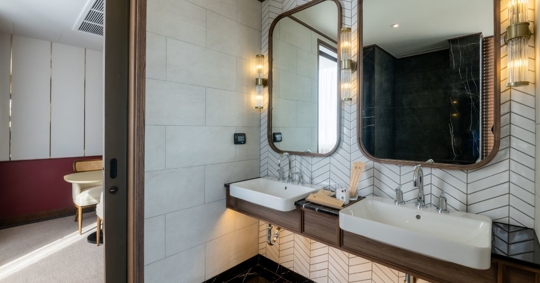
A bathroom remodel is more than new tile and upgraded fixtures—it’s a chance to create a space that genuinely supports your lifestyle. One of the biggest decisions homeowners face early in their remodel is choosing between a single sink or a double sink setup. Storage, layout, maintenance, daily routines, and long-term value all hinge on this choice.
Whether you are updating a shared family bathroom or creating a more private, spa-like environment, understanding your options makes all the difference. Below, we break down the strengths and limitations of both configurations, so you can move forward with confidence.
Understanding Your Bathroom Sink Options
Single Sink: Pros and Cons
Advantages of a Single Sink
In bathrooms where space is limited or minimal maintenance is preferred, single sinks excel. Their smaller footprint frees up usable counter space—ideal for compact guest baths, powder rooms, and smaller master layouts. Single sink installations are generally more cost-efficient, which means you have greater flexibility to invest in upgraded countertops, flooring, or custom cabinetry.
Additionally, single sinks are easier to maintain. With fewer fixtures to clean and manage, they offer a streamlined, modern aesthetic that works well in both contemporary and transitional bathroom designs.
Potential Drawbacks
If multiple people are trying to get ready at the same time, a single sink can quickly become an inconvenience. Limited personal space, especially in households with children or multiple adults, can create frustration during morning and evening routines. For bathrooms serving multiple users regularly, the single-sink layout may not support long-term functionality.
Double Sink: Pros and Cons
Advantages of a Double Sink
A double sink elevates both usability and luxury. Having two separate stations reduces congestion, makes mornings more efficient, and provides dedicated space for personal items. This layout often contributes positively to resale value—especially for primary bathrooms.
When paired with expanded countertops, double sinks encourage better organization, making grooming products and daily essentials more accessible without compromising aesthetics. For families or shared living, this level of convenience is a major benefit.
Potential Drawbacks
Double sinks require more countertop space and often additional plumbing work. Homeowners should expect a higher investment in both fixtures and installation. Cleaning is also doubled, which may be an important factor for those who prefer minimal upkeep. In smaller footprint bathrooms, incorporating a double sink may also restrict cabinet depth or reduce walkway clearance.
Assessing Your Bathroom Space
Measuring and Planning
Before selecting your sink configuration, begin by carefully measuring the space, noting existing plumbing and clearances. This avoids unexpected issues and costly modifications later in the process. Knowing whether a double vanity can comfortably fit—not just visually, but functionally—is often the deciding factor.
Layout Considerations
Consider:
- Door swing and entry points
- Distance between fixtures
- Counter depth and walkway clearance
- Electrical outlet placement
Using mock-ups or design software can help visualize placement. Your remodeling specialist can also offer recommendations based on your bathroom footprint.
Choosing the Right Size and Style
Sink Sizing Guidelines
Single sinks complement smaller bathrooms and are ideal for guest spaces or secondary baths. Double sinks typically require a vanity width of at least 60" to ensure proper spacing. Selecting the right size ensures that access, storage, and traffic flow remain practical.
Style and Aesthetic Choices
Your sink design should elevate your bathroom’s personality—not compete with it. Whether you prefer clean white porcelain, sleek undermount basins, glass vessel sinks, or natural stone, each option contributes differently to the finished look.
Pair your sink with coordinated finishes such as:
- Matte black or brushed nickel faucets
- Custom quartz counters
- Soft-close storage cabinetry
These design-forward details add cohesion and value.
Installation and Maintenance Considerations
DIY vs. Professional Installation
Some homeowners opt for DIY installation, especially in straightforward single-sink setups. However, when relocating plumbing lines, modifying cabinetry, or adding a second sink, hiring a professional ensures alignment with building codes and long-term durability. From water shut-off preparation to precise cutouts and sealing, proper installation safeguards against leaks, mold, and future repairs.
Cost Breakdown
Typically:
- Single-sink setups offer lower fixture and labor costs.
- Double sinks require more materials, more plumbing, and often custom cabinetry.
Still, the added usability may justify the investment—especially in primary bathrooms.
Maintenance Expectations
Regardless of style, consistent care prevents damage.
Consider:
- Periodic drain flushing
- Gentle cleaning solutions to protect finishes
- Routine sealant checks
Material choice also influences durability. For instance, porcelain is forgiving, while specialty stone or glass requires specific cleaning protocols.
Maximizing Space and Function
Storage Improvements
If space is tight, consider:
- Drawer dividers
- Floating shelves
- Built-in hampers
- Narrow side towers
- Under-sink organizers
These additions increase functionality without overwhelming the room.
Smart Counter Layout
Counter space matters—especially in shared bathrooms. Integrating charging stations, interior lighting, or hidden outlets can streamline routines and reduce clutter.
Finishing Touch Enhancements
Some small upgrades deliver major usability, such as:
- Pivoting mirrors
- Wall-mounted accessories
- Coordinated towel bars
- Soft-glow vanity lighting
Collectively, these details significantly shape the user experience, far beyond the choice of sink itself.
Making the Final Decision
Lifestyle Considerations
Ask:
- Who will use the bathroom?
- At what times?
- How much personal space is needed?
For couples or larger households, double sinks often simplify daily routines. For solo users or smaller baths, a single sink maintains practicality while optimizing space.
Budget and Long-Term Plans
If a move is possible in the near future, resale value is a factor. In highly competitive markets, double-sink primary baths are considered a premium feature.
Professional Input Matters
Consulting a remodeling expert gives clarity beyond measurements—helping evaluate whether existing plumbing placement, cabinet depth, or wall positioning affects feasibility.
Ready to Begin Your Remodel?
Choosing between single and double sinks is just one part of transforming your bathroom into a space that feels functional, timeless, and beautifully planned. If you're exploring your options, J&J Contracting is here to help. Our licensed team specializes in custom bathroom remodels designed to fit both your lifestyle and your space.
Reach out today at (702) 710-1175, and let us help you begin planning a bathroom that supports your household’s everyday routines—while delivering lasting value and thoughtful design.